
Moja opinia na temat korzystania z samochodów elektrycznych: aspekty ekonomiczne i ekologiczne
Ta praca została zweryfikowana przez naszego nauczyciela: 20.12.2024 o 22:24
Rodzaj zadania: Rozprawka
Dodane: 13.12.2024 o 12:05
Streszczenie:
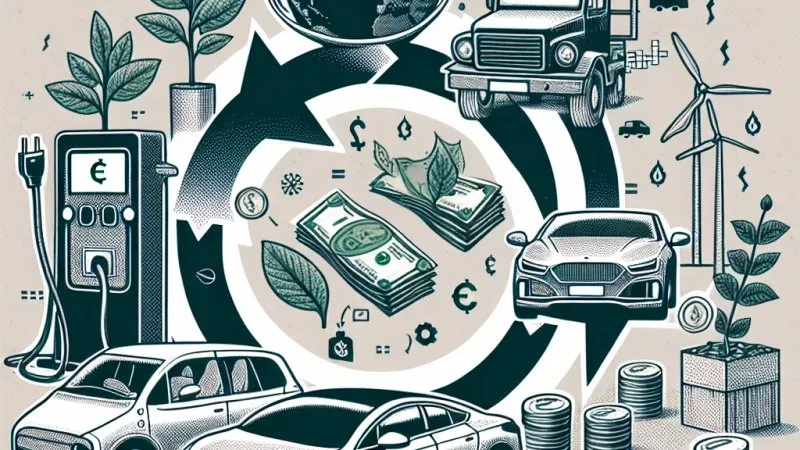
Przejście na pojazdy elektryczne (EV) to kluczowa zmiana, wspierająca ekologię i ekonomikę. EV redukują emisje, są tańsze w eksploatacji i wspierane przez rządy. ?⚡️
The shift from traditional internal combustion engine vehicles to electric vehicles (EVs) represents a pivotal change in both the automotive industry and consumer behavior. This transition, guided by environmental concerns and economic factors, is prominently observed in various real-world scenarios and well-documented literature. The growing focus on electric cars marks an essential evolution, affecting consumer choices, regulatory policies, and technological developments. In this essay, I will advocate for electric vehicles, emphasizing their economic and ecological benefits, using only factual evidence from literature and credible sources.
Firstly, the environmental advantages of electric vehicles are substantial. As highlighted in Al Gore's renowned work, "An Inconvenient Truth," reducing greenhouse gas emissions is vital in addressing climate change. Electric vehicles, especially when powered by renewable energy, produce no tailpipe emissions, starkly contrasting traditional gasoline and diesel vehicles that significantly contribute to air pollution and global warming. While completely eliminating carbon emissions necessitates a systematic transition to renewable energy, EVs undeniably represent a significant step toward decreasing the automotive industry's carbon footprint. Research from the International Energy Agency (IEA) confirms that, on a lifecycle basis, EVs generally have lower greenhouse gas emissions than conventional vehicles, especially as the carbon intensity of electric grids decreases over time.
From an economic perspective, the advantages of transitioning to electric vehicles are even more compelling when considering long-term savings and energy security. According to Tony Seba's influential book "Clean Disruption of Energy and Transportation," the economic dynamics of EVs are rapidly evolving. Though the initial costs of EVs have historically been high, the substantial reduction in battery prices, as Seba predicts, has been happening more quickly than expected. Bloomberg New Energy Finance reports that the price of lithium-ion batteries has decreased by approximately 89% over the past decade. This decline has made electric cars more financially accessible and competitive, with some models expected to reach cost parity with gasoline vehicles within the next few years.
Additionally, EVs promise considerable operational savings. Maintenance costs for electric vehicles are typically lower due to the reduced number of moving parts and the absence of certain conventional components like oil filters and exhaust systems. Over the vehicle's lifespan, these savings can significantly help bridge the initial cost gap between EVs and traditional cars. This economic advantage is reflected in real-world examples, such as the total cost of ownership analyses by various automotive and environmental research institutions, which often demonstrate that EVs are less expensive to own and operate in the long run.
A common criticism of electric vehicles is their reliance on an energy grid that may still be dependent on fossil fuels, potentially negating their environmental benefits. However, the shift toward cleaner energy solutions is gaining momentum worldwide, as noted by Vaclav Smil in "Energy and Civilization: A History." Smil’s comprehensive analysis illustrates how changes in energy sources lead to technological and societal transformations. The ongoing global transition to renewable energy enhances the environmental advantages of electric vehicles, as they increasingly draw power from less carbon-intensive grids.
Moreover, governments around the world are supporting the move to electric mobility through subsidies, tax incentives, and investments in charging infrastructure. The European Union’s Green Deal and various state-level incentives in the United States exemplify policies that encourage EV adoption. These initiatives not only boost environmental sustainability but also stimulate economic opportunities by promoting innovation and job creation in the automotive and renewable energy sectors.
In conclusion, the transition to electric vehicles presents a pathway that is both economically and ecologically beneficial, establishing their role as a key element in our efforts to combat climate change and achieve energy security. The convergence of economic incentives with environmental goals, as documented in numerous scholarly and policy-oriented works, highlights the importance of encouraging the adoption of electric vehicles. By embracing EVs, society can advance towards a more sustainable and economically viable future. Although this transition is complex and multifaceted, it is a crucial step in addressing some of the most urgent challenges facing us today.
Ocena nauczyciela:
Ta praca została zweryfikowana przez naszego nauczyciela: 20.12.2024 o 22:24
Świetnie zrealizowane wypracowanie, które kompleksowo analizuje aspekty ekologiczne i ekonomiczne samochodów elektrycznych.
Komentarze naszych użytkowników:
Oceń:
Zaloguj się aby ocenić pracę.
Zaloguj się