
Wypowiedź argumentacyjna na temat „Antygony”
Rodzaj zadania: Wypracowanie
Dodane: 6.01.2025 o 21:28
Streszczenie:
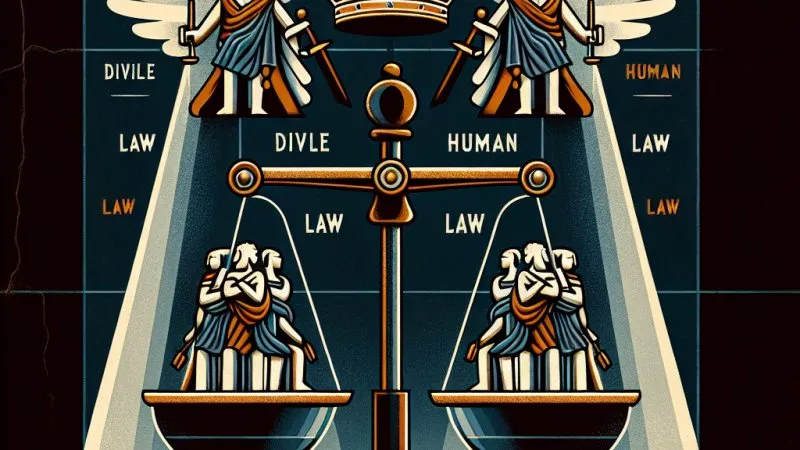
Antygona w tragedii Sofoklesa pokazuje konflikt między prawami boskimi a ludzkimi, broniąc moralnej odpowiedzialności nad posłuszeństwem wobec władzy. ⚖️?
Sophocles’ "Antigone" is a classic work of Greek tragedy that explores fundamental issues such as law, justice, and moral responsibility. As we delve into this ancient text, one cannot help but consider the conflict between human-made laws and divine laws, as well as the intricate dynamics of power, family, and ethics. In this essay, I will argue that Antigone, the protagonist, is justified in her decision to defy King Creon’s edict, even though it leads to her downfall. My argument is based on three main points: the moral righteousness of Antigone’s actions, the respect for divine laws over human laws, and the theme of individual conscience against state power.
Firstly, Antigone’s actions are morally righteous because they are guided by a deep sense of family duty and reverence for the gods. From the very beginning, Antigone is portrayed as a character driven by steadfast values. Her willingness to bury her brother Polyneices, despite the explicit prohibition by King Creon, stems from her belief that honoring the dead is a sacred duty. In the context of ancient Greek society, burial rituals were of enormous significance, as they were believed to guarantee the dead a peaceful passage to the afterlife. Antigone declares, "I owe a longer allegiance to the dead than to the living; in that world I shall abide forever." Here, Sophocles underscores her unwavering commitment to familial piety and the importance of honoring divine laws which govern respect for the dead.
Secondly, Antigone’s defiance highlights the primacy of divine laws over human ones. In the play, Creon represents the authority of the state, while Antigone symbolizes adherence to divine law. Creon, who decrees that Polyneices should remain unburied as punishment for his rebellion, places human law above all else. However, Antigone believes that the laws of the gods surpass any man-made laws. When faced with the choice between adhering to Creon’s decree or following the divine will, Antigone chooses the latter. Her conviction is evident when she proclaims, "Nor did I think your edict had such force that you, a mere mortal, could override the gods." This statement encapsulates the central conflict of the play: divine morality versus human legality. Antigone’s perspective here asserts that human laws are temporary and fallible, whereas divine laws are eternal and immutable.
Moreover, the tragedy highlights the struggle between individual conscience and the power of the state. Antigone’s rebellion against Creon’s edict can be seen as a defense of personal integrity and conscience. While Creon believes in the absolute power of the state and the importance of order and obedience, Antigone prioritizes her moral and ethical beliefs. Her actions suggest that blind obedience to authority is dangerous when it conflicts with personal conscience and higher, moral laws. Even though her decision leads to tragic consequences, Antigone remains firm in her belief that she acted justly. Creon’s eventual realization of his hubris and the ruin it brought upon his family further underscores the peril of disregarding individual conscience in favor of rigid rule enforcement.
Another crucial element supporting Antigone's stance is the theme of tyranny and the dangers of unchecked authority. Creon’s determination to enforce his will without counsel leads to his downfall. His refusal to listen to reason and his insistence on his absolute rule highlight the dangers present in a governance that operates without flexibility or empathy. Antigone challenges this tyranny by acting according to her conscience, urging a reevaluation of leadership principles that prioritize power over justice. Her resolve and refusal to recant her beliefs expose the flaws in Creon's leadership, making a broader commentary on the necessity of integrating compassion and justice within governance.
In conclusion, Antigone’s defiance in Sophocles’ tragedy is grounded in her moral righteousness, respect for divine laws, and the theme of individual conscience versus state authority. Her actions, though tragic, serve to highlight the complexities of human and divine justice, as well as the dangers associated with absolute rule. By choosing to honor her brother and the divine edicts, Antigone embodies the struggle for ethical integrity in a world where human laws and divine laws collide. Her story acts as a timeless reminder of the importance of staying true to one's values and the potential consequences of placing human authority above moral and divine principles. Through Antigone’s unwavering stance, Sophocles invites us to question whether justice is determined by the laws of man or the laws of the gods, urging us to reflect on where true moral authority resides.
Ocena nauczyciela:
Wypracowanie jest świetnie skonstruowane, logicznie uzasadnia argumenty, a także odnosi się do kluczowych tematów „Antygony”.
Komentarze naszych użytkowników:
Oceń:
Zaloguj się aby ocenić pracę.
Zaloguj się